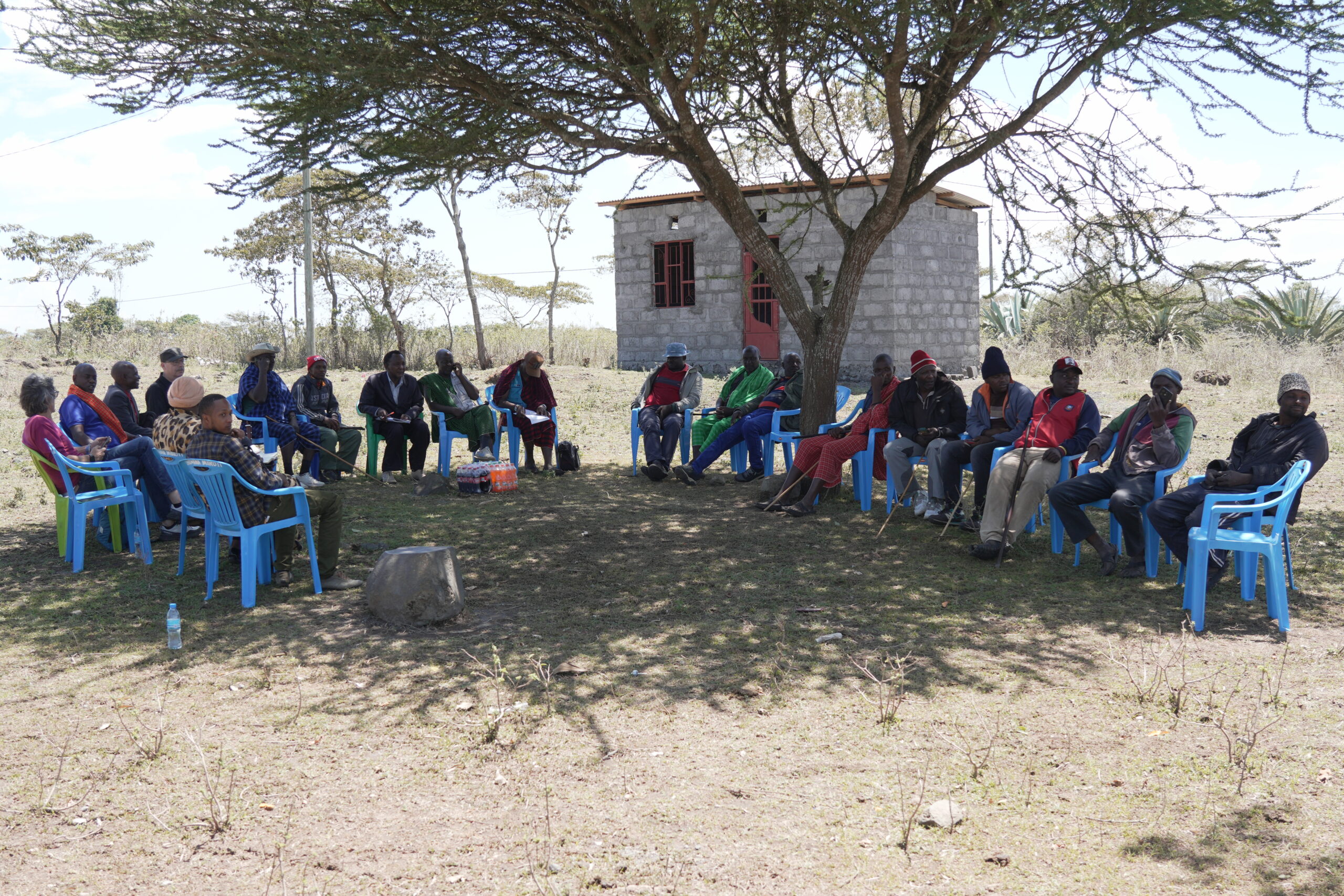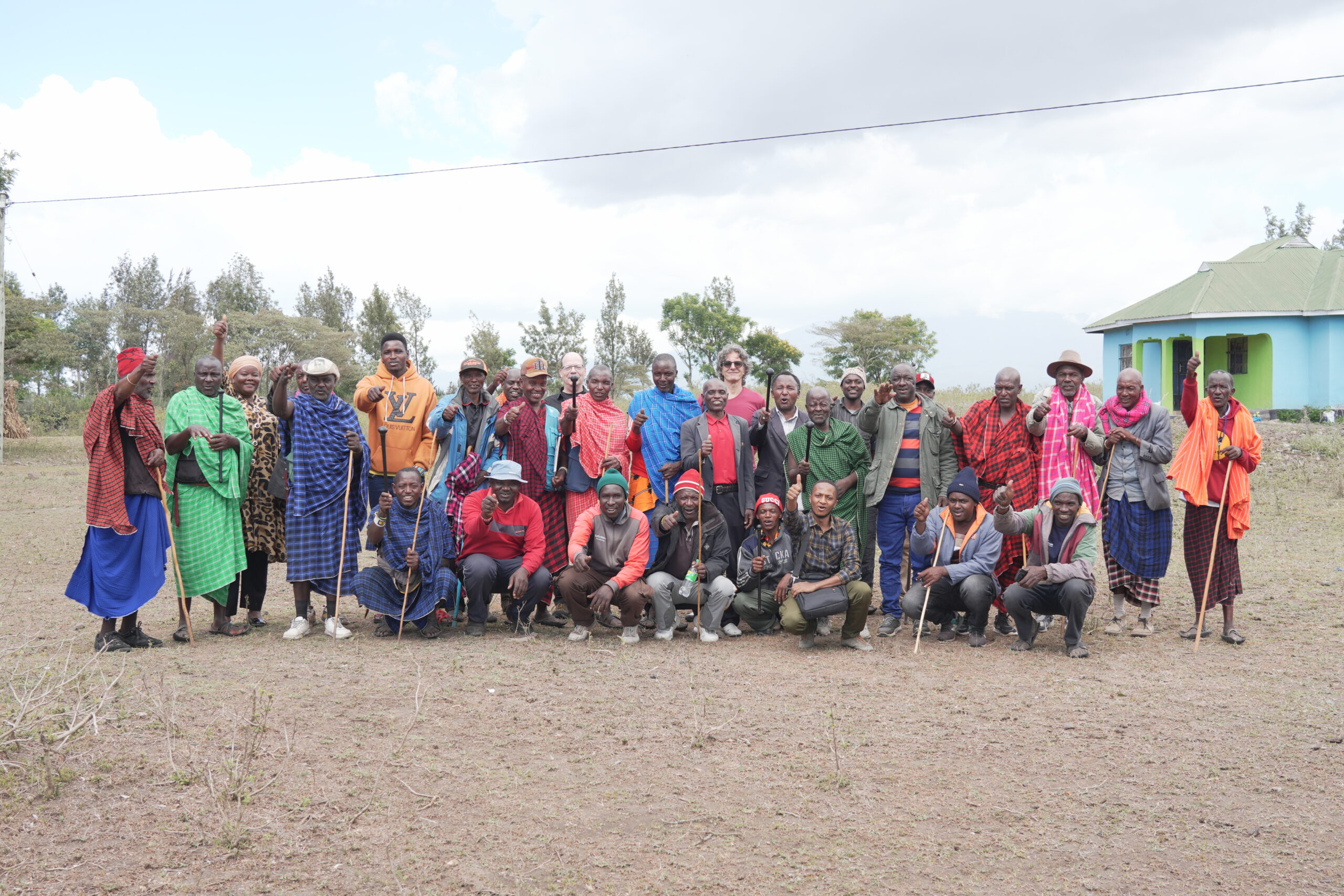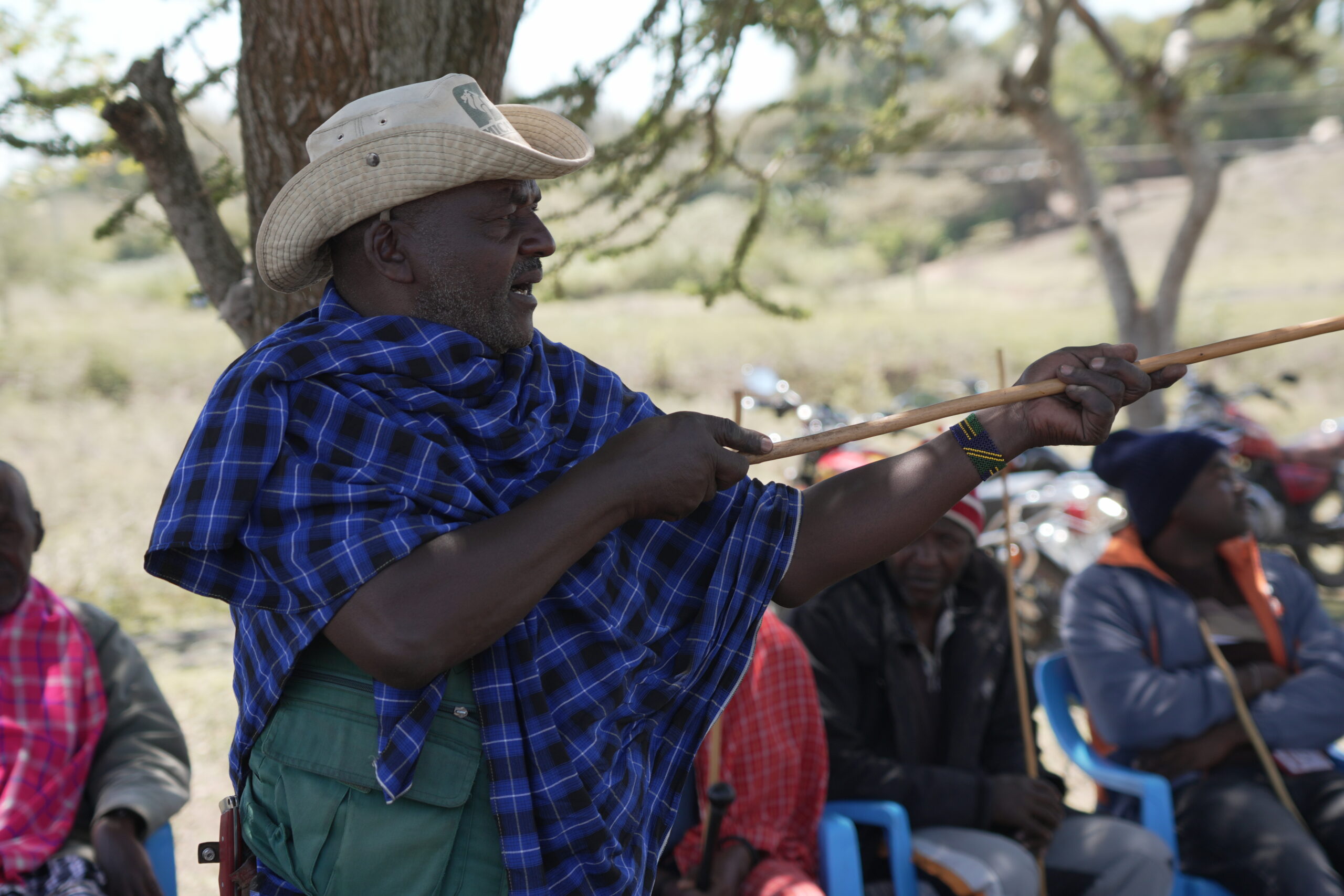
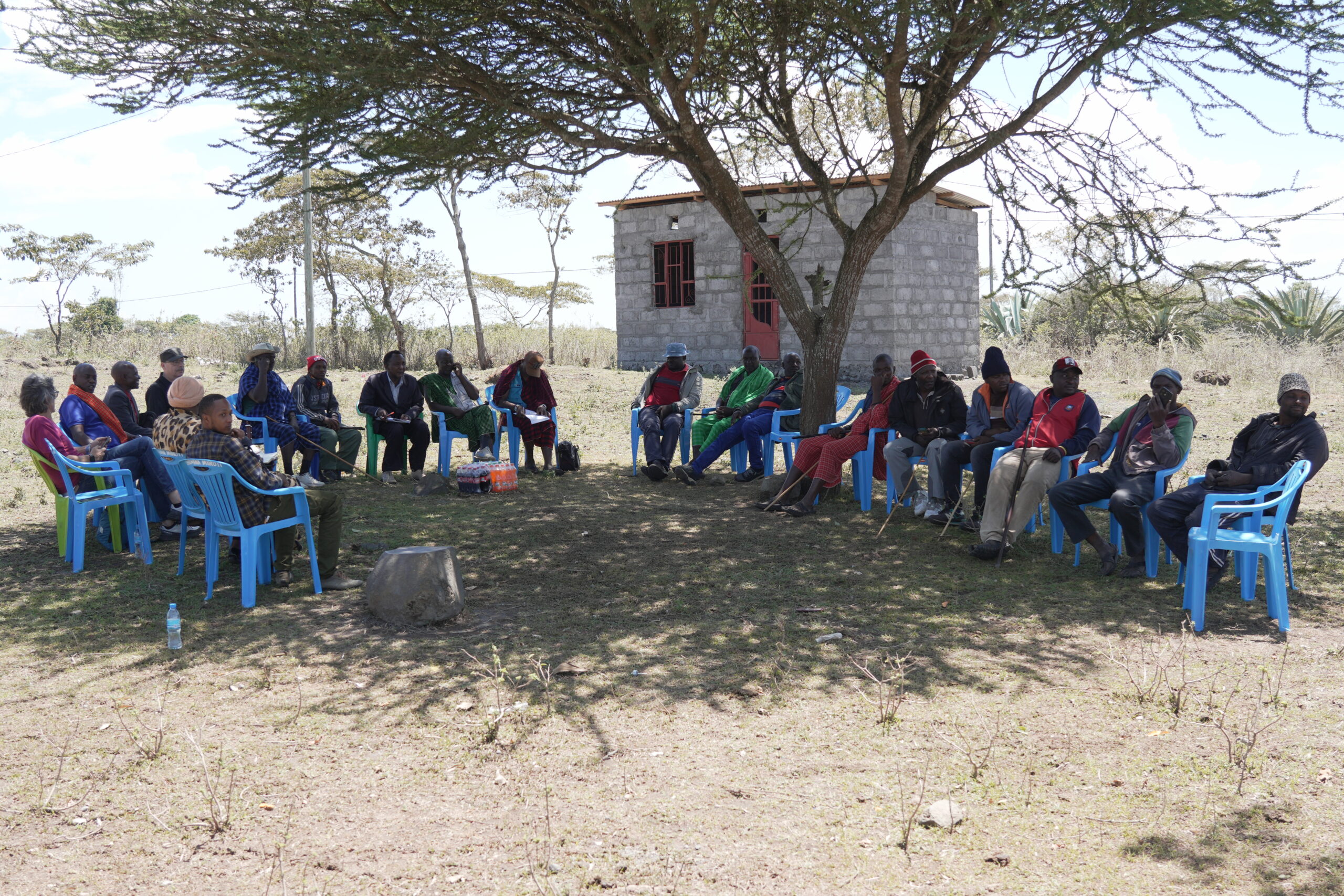
Kilimanjaro Region, Tanzania; A recent engagement between the Native Plants for Environment and People (Native PEP) Project team and Maasai community leaders in five villages (Magadini, Kandashi, Mawasiliano, Ashengai and Karansi) in Siha District, Kilimanjaro Region, has reaffirmed strong local ownership of the project and underscored the value of sustained community dialogue in achieving lasting environmental and livelihood outcomes.
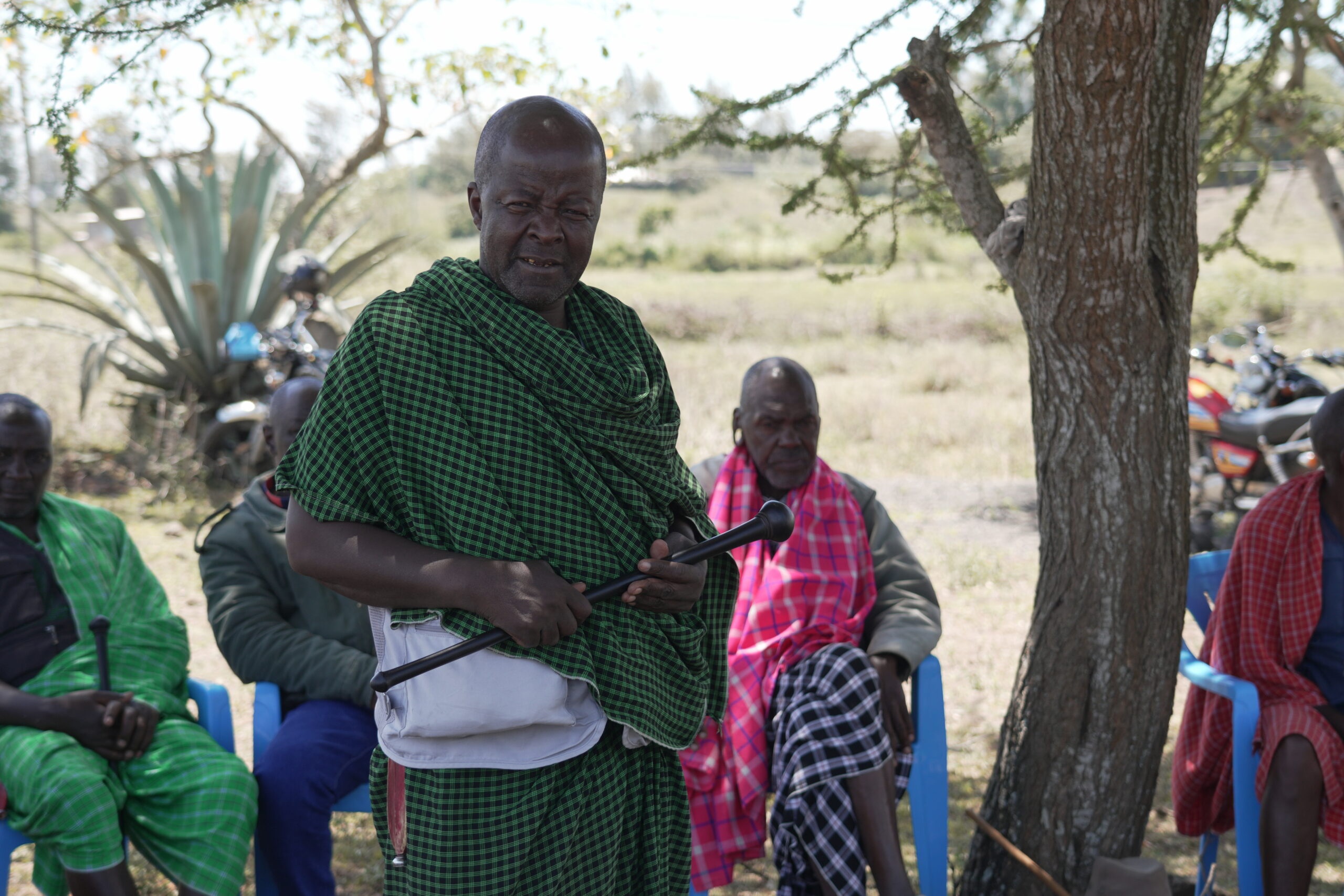
The meeting, held with Laigwanans (traditional Maasai leaders) from different wards of West Kilimanjaro, was convened following the destruction of one of the project’s demonstration plots. Rather than undermining progress, the incident provided an important opportunity to surface community concerns, address misinformation, and reinforce collective responsibility for project success.
Discussions revealed that the incident stemmed from a misunderstanding among some community members, who believed that land used for demonstration and trial plots had been sold to the project. This created fears of restricted access to grazing areas and potential loss of communal land.
The Native PEP team addressed these concerns directly. Dickson Xavery, the Project Lead in Tanzania, clarified that the project neither owns nor intends to acquire community land. All demonstration plots remain community property and exist solely to support training, experimentation, and knowledge exchange.
This clarification was critical in restoring confidence. Community leaders unanimously acknowledged the explanation and publicly affirmed their acceptance of the project, committing to safeguard all implementation sites going forward.
Community leaders also raised broader structural challenges affecting pastoral livelihoods, particularly the reduction of grazing land amid growing human and livestock populations. Questions were raised about the feasibility of small-scale demonstration plots contributing meaningfully to forage availability.
The project team emphasized that Native PEP’s approach responds precisely to this reality. By promoting improved forage productivity, restoration of native species, and better land management practices, the project demonstrates how limited land can be used more efficiently and sustainably; an increasingly critical innovation in pastoral landscapes.
Native species restoration was highlighted as a key strategy, given their multiple benefits, including improved livestock health, increased milk production, and medicinal value.
Importantly, the meeting demonstrated strong local governance mechanisms that enhance project sustainability. The leaders’ secretary instructed all Laigwanans that any individual found damaging project sites would face sanctions under established community by-laws. This clear stance reinforced collective accountability and positioned community leadership as an active partner in implementation.
Leaders further emphasized that behavioural change, particularly around grazing management, is essential to reversing rangeland degradation. The Native PEP Project’s community-driven model aligns closely with this priority, combining technical innovation with social enforcement mechanisms that donors increasingly recognise as critical for long-term impact.
Dr. Urs Schaffner reiterated that the demonstration plots serve primarily as learning platforms, enabling communities to test, observe, and adapt restoration practices before replicating them more widely. Lessons from Mawasiliano and neighboring villages are already informing discussions on scaling the approach across the wider landscape.
Community leaders expressed strong interest in continued training, particularly on managing invasive species. The project team confirmed that ongoing research is generating practical solutions, which will continue to be shared through structured trainings.
To support adoption at household level, the project will continue providing native seeds to community members establishing forage plots on private land. Complementary rangeland restoration practices will focus on facilitating natural regeneration rather than direct planting, ensuring ecological appropriateness.
The meeting concluded with a proposal from community leaders encouraging households to set aside portions of their private land to apply project lessons, particularly to improve dry-season forage availability. Leaders also committed to using their authority to support positive behavioural change where necessary.
This engagement illustrates the Native PEP Project’s core strength: a participatory model that places communities at the centre of restoration efforts, supported by evidence-based practices and adaptive learning. For donors, it demonstrates how investment in trust-building, dialogue, and local governance can mitigate risks, strengthen adoption, and create a solid foundation for scaling impact across pastoral landscapes.
Prepared by: Simon Njoroge